
Posted by OUTDOORICA on 30th Aug 2026
Minnesota E-Bike Laws & Safety Guide | Central MN Riders
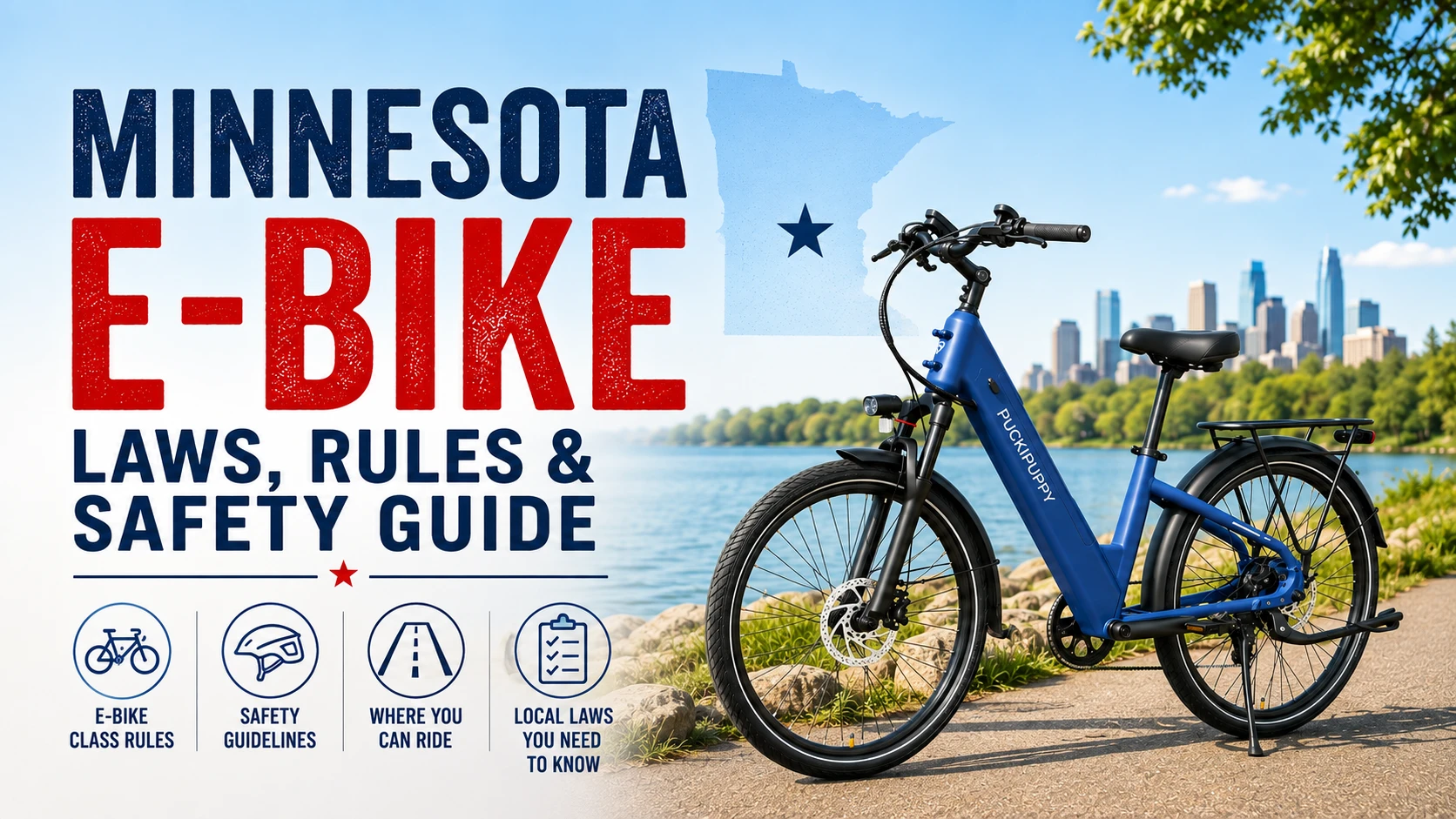
This guide is educational and focused on Minnesota e-bike rules and best practices. Always check current Minnesota law, posted trail signs, city ordinances, county park rules, DNR rules, school rules, and local enforcement guidance before riding. A legal e-bike on one paved trail may not be allowed the same way on a natural-surface mountain bike trail, sidewalk, park path, private property, or off-road area.
Across Central Minnesota, more families, commuters, campers, seniors, students, trail riders, and weekend explorers are using electric rides. That is a good thing when riders are responsible. E-bikes can help people ride farther, handle hills and wind, stay active, commute more easily, and enjoy places like paved local trails, lake communities, neighborhoods, parks, and rural roads.
The concern is that not every rider understands the difference between a legal e-bike, a scooter, an e-moto, and an electric dirt bike. That confusion can create problems when kids ride too young, riders go too fast around pedestrians, people ignore stop signs, or off-road electric motorcycles are treated like bicycles on trails where they do not belong.
OUTDOORICA believes electric rides are an amazing way to get outside — but the right ride needs the right rider, the right location, and the right safety habits.
Choosing the right electric ride starts with how and where you plan to use it. OUTDOORICA in Albany, Minnesota helps Central MN riders compare electric rides, commuter e-bikes, fat-tire e-bikes, e-trikes, and electric dirt bikes.
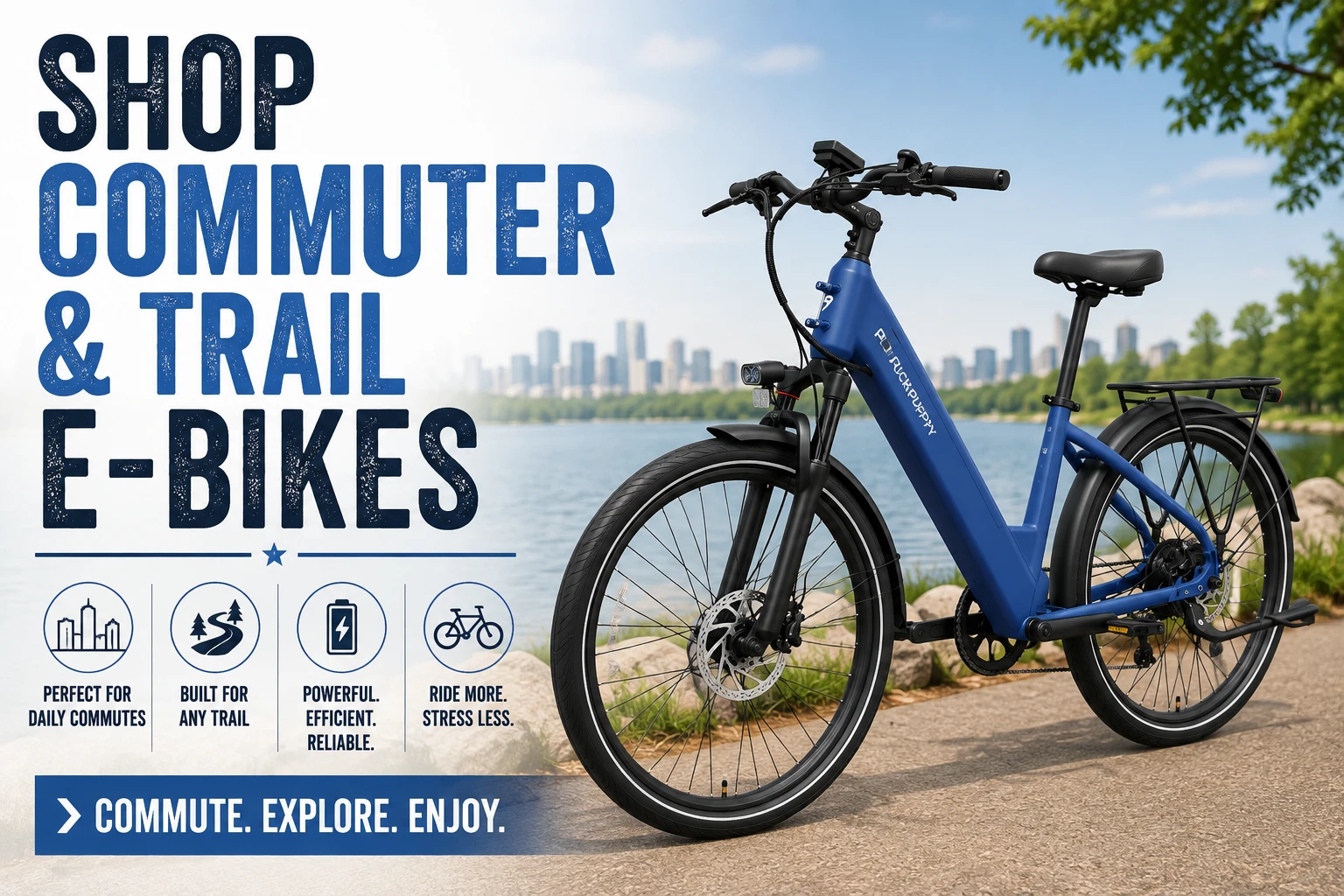
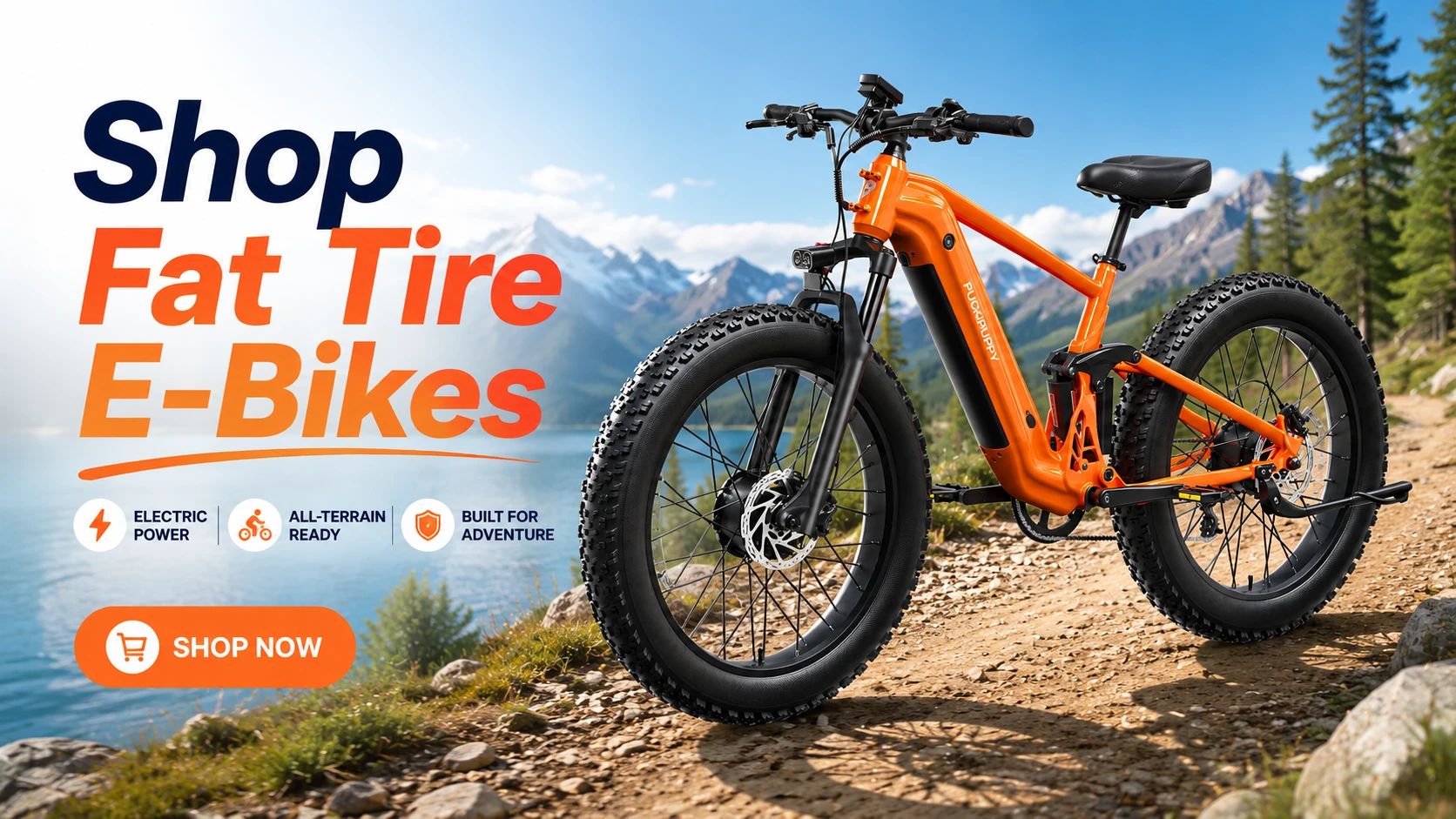
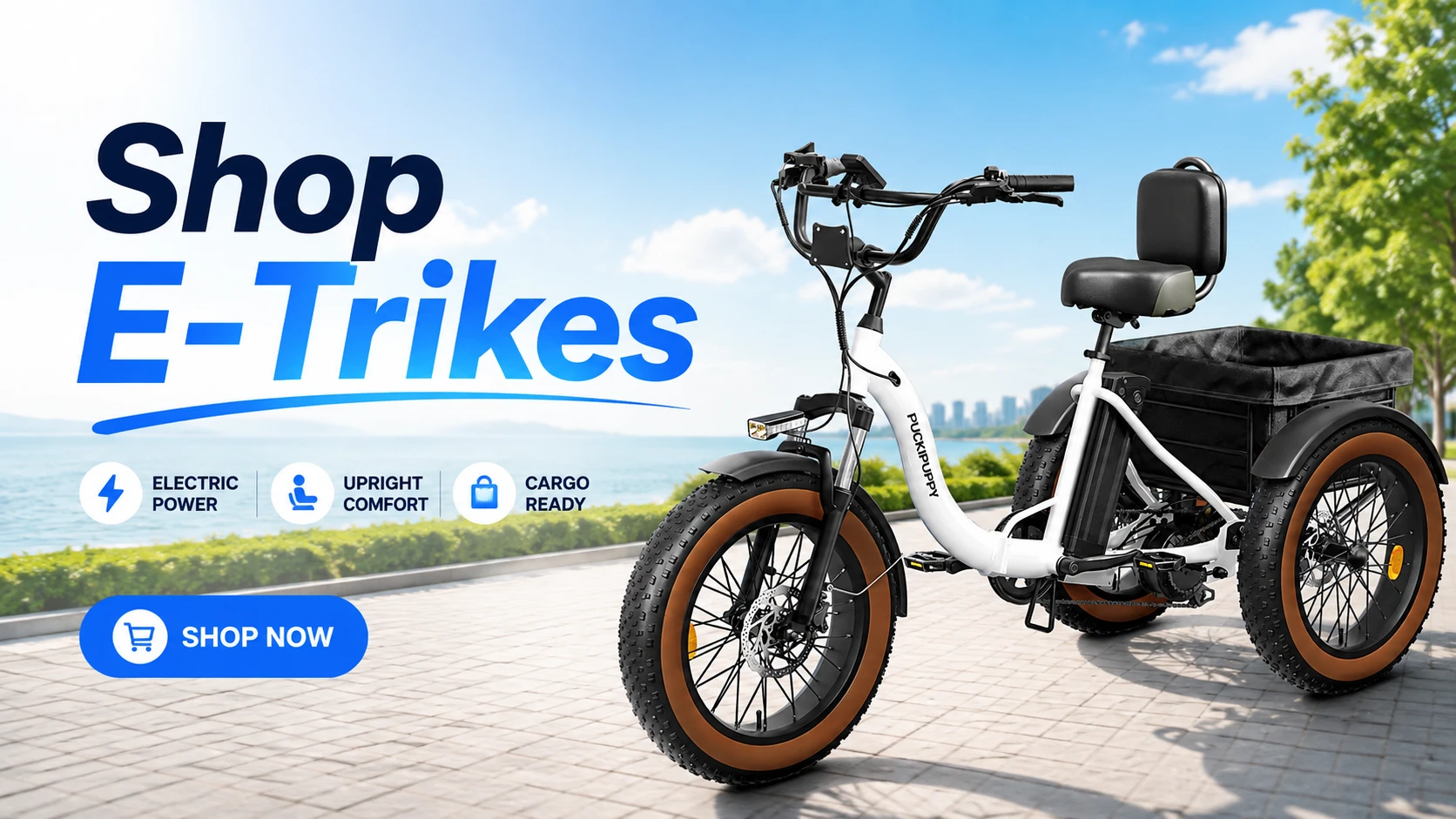
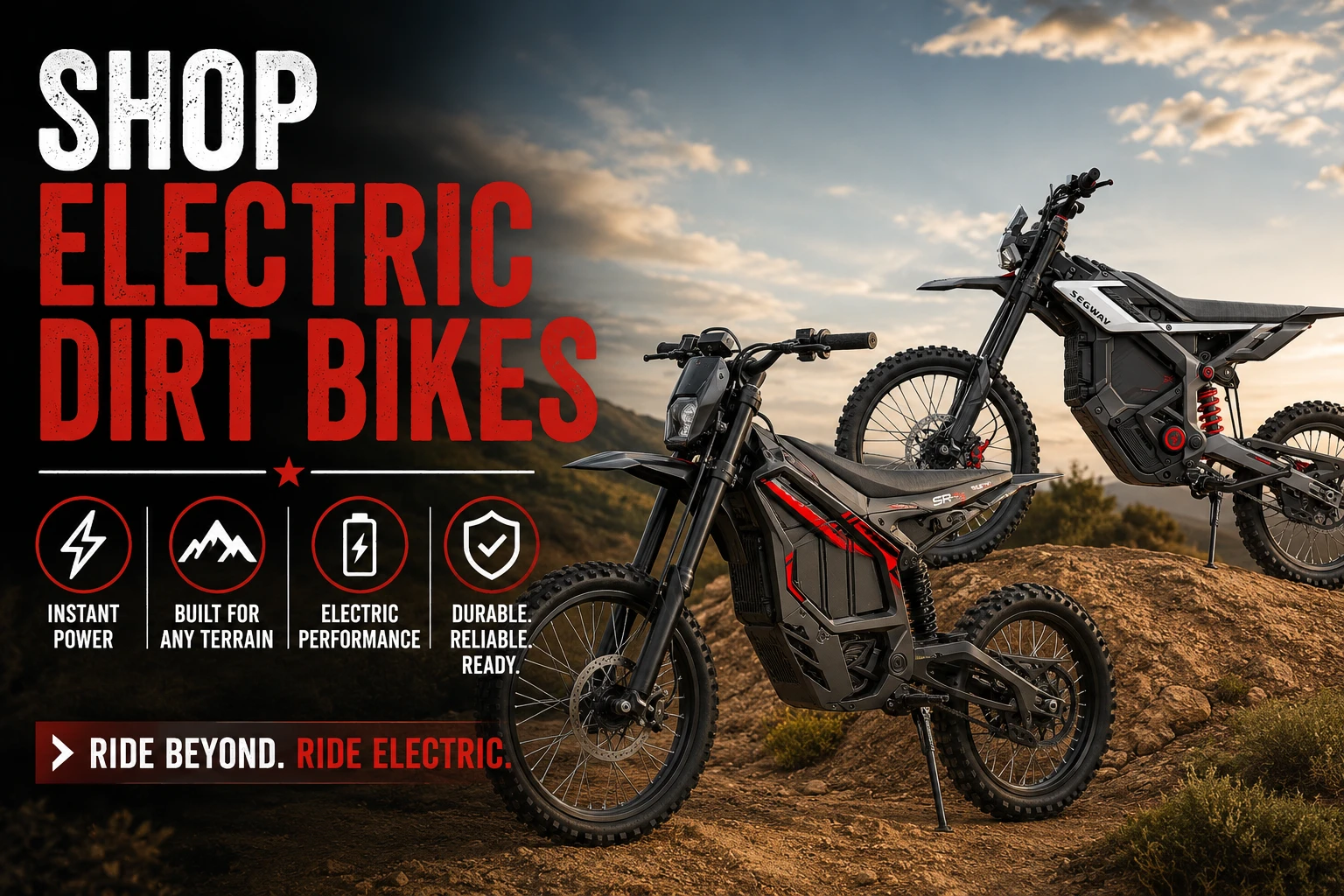
In Minnesota, a legal electric-assisted bicycle is not simply anything with a battery and two wheels. It must fit the state definition. In general, a legal electric-assisted bicycle must have two or three wheels, a saddle, fully operable pedals, a motor of not more than 750 watts, and meet Class 1, Class 2, Class 3, or multi-mode e-bike requirements.
If it does not have fully operable pedals, it is generally not a legal electric-assisted bicycle under Minnesota's e-bike definition.
The electric motor must have a power output of not more than 750 watts to meet Minnesota's electric-assisted bicycle definition.
Minnesota requires e-bike class labeling with class number, top assisted speed, and motor wattage.
Modifying an e-bike to exceed its legal class or motor-powered speed capability can change how it is treated under the law.
The class system is one of the most important things for Central Minnesota riders and parents to understand before buying or riding.
Pedal assist only. The motor helps only when the rider is pedaling.
Assist stops at 20 mph. This is often a strong choice for paved trails, commuting, casual riding, and riders who want a bicycle-like feel.
Throttle capable. The motor can propel the bike without pedaling.
Assist stops at 20 mph. This can help riders who want easier starts, casual cruising, or extra help when carrying cargo.
Pedal assist only. The motor assists while the rider pedals.
Assist stops at 28 mph. Class 3 can be great for experienced road or commuter riders, but it requires extra maturity, awareness, and speed discipline.
A lot of the concern in Central Minnesota comes from younger riders operating too fast, riding unpredictably, or using electric rides in places where they should slow down, yield, or walk the bike.
Minnesota law does not allow a person under age 15 to operate an electric-assisted bicycle.
Even when a helmet is not the only legal question, it should be a non-negotiable family rule for kids and teens.
New riders should learn braking, turning, throttle behavior, pedal assist levels, traffic signs, trail yielding, and emergency stopping before busy rides.
Wheelies, weaving, speeding near pedestrians, riding two-abreast in traffic, and ignoring signs are exactly what create complaints and enforcement pressure.
In general, Minnesota treats legal e-bikes similarly to bicycles in many roadway and bikeway situations, but the details matter. Class 1 and Class 2 e-bikes have different trail treatment than Class 3 and multi-mode e-bikes, and local authorities can restrict use on certain trails or areas.
Legal e-bikes are generally operated like bicycles on roads, shoulders, bicycle lanes, and bicycle routes. Riders must follow traffic signs, signals, and predictable riding behavior.
Many paved trails allow legal e-bikes, but trail managers and local authorities may set restrictions. Check signs before riding.
Sidewalk rules can depend on local authority and business-district rules. When sidewalks are crowded or unclear, slow down, yield, dismount, or choose a safer legal route.
Mountain bike trails, dirt trails, parks, and natural-surface areas can have their own rules. Do not assume an e-bike is allowed just because a regular bike is allowed.
Most conflicts are not caused by responsible e-bike riders. They happen when riders act like the trail belongs only to them.
Ride to the right side of the trail and leave room for other users.
Pass on the left only when safe, slow down, and give an audible warning before passing.
Pedestrians, families, dogs, strollers, and slower riders should never feel pushed off the trail.
Trail crossings, streets, driveways, and intersections require attention. Do not blast through.
Just because a bike can go faster does not mean it should. Match speed to traffic, visibility, and trail conditions.
Use a white front light, rear visibility, reflectors, and bright clothing in low-light conditions.
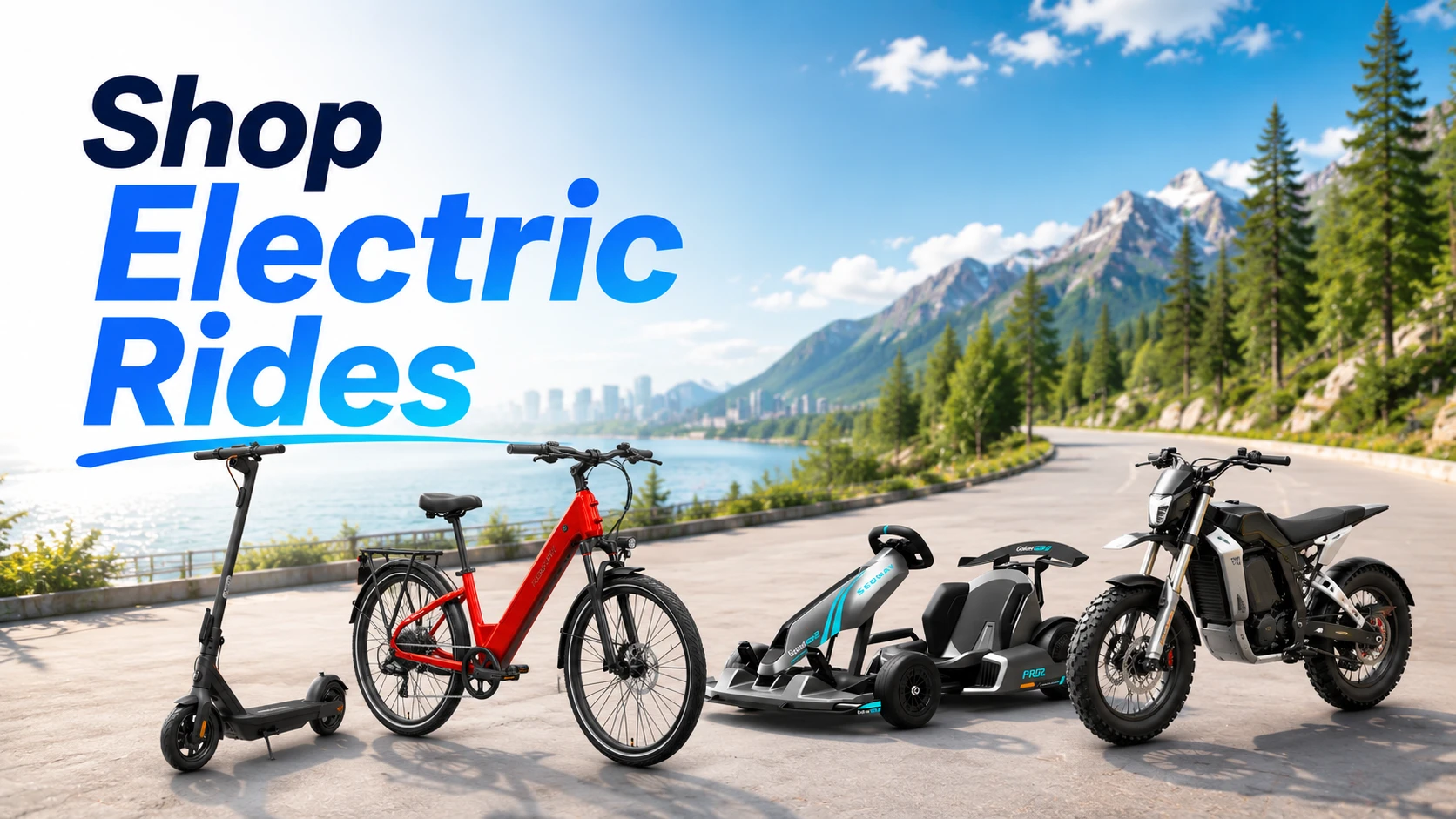
This is where a lot of confusion starts. Different electric rides are built for different riders and different places.
Best for commuting, recreation, paved trails, town riding, gravel roads, fitness, and everyday outdoor fun when ridden legally and responsibly.
Great for riders who want more stability, easier balance, cargo space, comfort, and a confidence-building electric ride.
Fun and convenient, but rules can differ from e-bikes. Check local ordinances and ride carefully around pedestrians.
Electric dirt bikes are powersports machines for off-road riding where permitted. They are not the same as legal e-bikes for paved trails or sidewalks.
- Confirm the rider is legally old enough to operate the e-bike.
- Check the class label, wattage, top assisted speed, and whether the bike has a throttle.
- Wear a properly fitted helmet.
- Check brakes, tire pressure, battery charge, lights, reflectors, and bell or horn.
- Know the route before riding, especially trail crossings and busy intersections.
- Review local trail, park, school, and city rules.
- Start in a low assist mode until the rider is comfortable.
- Ride single file when needed, keep right, and do not block the trail.
- Slow down near walkers, pets, children, driveways, parked cars, and intersections.
- Never assume an electric dirt bike or e-moto is allowed where e-bikes are allowed.
Rules can change, and local restrictions can apply. Use these official resources as a starting point before riding.
Review the state definitions for electric-assisted bicycles, e-bike classes, and motorized bicycles.
Review Statute 169.011Review bicycle operation rules, e-bike riding rules, age restrictions, and equipment requirements.
Review Statute 169.222Review state safety guidance for bicyclists, drivers, pedestrians, and e-bike riders.
Review DPS GuidanceReview e-bike use information for Minnesota state trails and other DNR-managed trail uses.
Review DNR E-Bike GuidanceMinnesota law says a person under the age of 15 must not operate an electric-assisted bicycle.
A legal electric-assisted bicycle is generally regulated similarly to a bicycle, and Minnesota guidance states that no license or permit is required to operate a legal e-bike. Riders still must follow applicable bicycle laws and local rules.
Class 1 is pedal assist only up to 20 mph. Class 2 can propel the bike without pedaling up to 20 mph. Class 3 is pedal assist only up to 28 mph.
Many legal e-bikes are allowed on many bicycle paths, bicycle trails, and shared-use paths, but local authorities, state agencies, parks, and trail managers may restrict use. Always check posted rules before riding.
No. An electric dirt bike or e-moto may not qualify as a legal electric-assisted bicycle if it does not meet Minnesota's e-bike definition. Electric dirt bikes should be treated as off-road or powersports machines and used only where permitted.
The best e-bike depends on the rider. Paved-trail riders may prefer a commuter or comfort e-bike. Rural riders may like fat-tire models. Riders wanting extra stability may prefer an e-trike. Off-road riders should look at electric dirt bikes or powersports products designed for legal off-road use.
E-bikes, e-trikes, scooters, and electric dirt bikes can be an incredible way to enjoy Central Minnesota. OUTDOORICA can help you compare the right electric ride for your age, experience level, terrain, comfort needs, and riding goals.
OUTDOORICA | 209 County Road 156, Albany, MN 56307 | E-bikes, e-trikes, scooters, electric dirt bikes, accessories, financing, and local guidance.