
Posted by OUTDOORICA on 10th Aug 2026
CWD, Deer Feeding Bans & Food Plots in Minnesota: A Hunter’s Guide to Better Deer Habitat
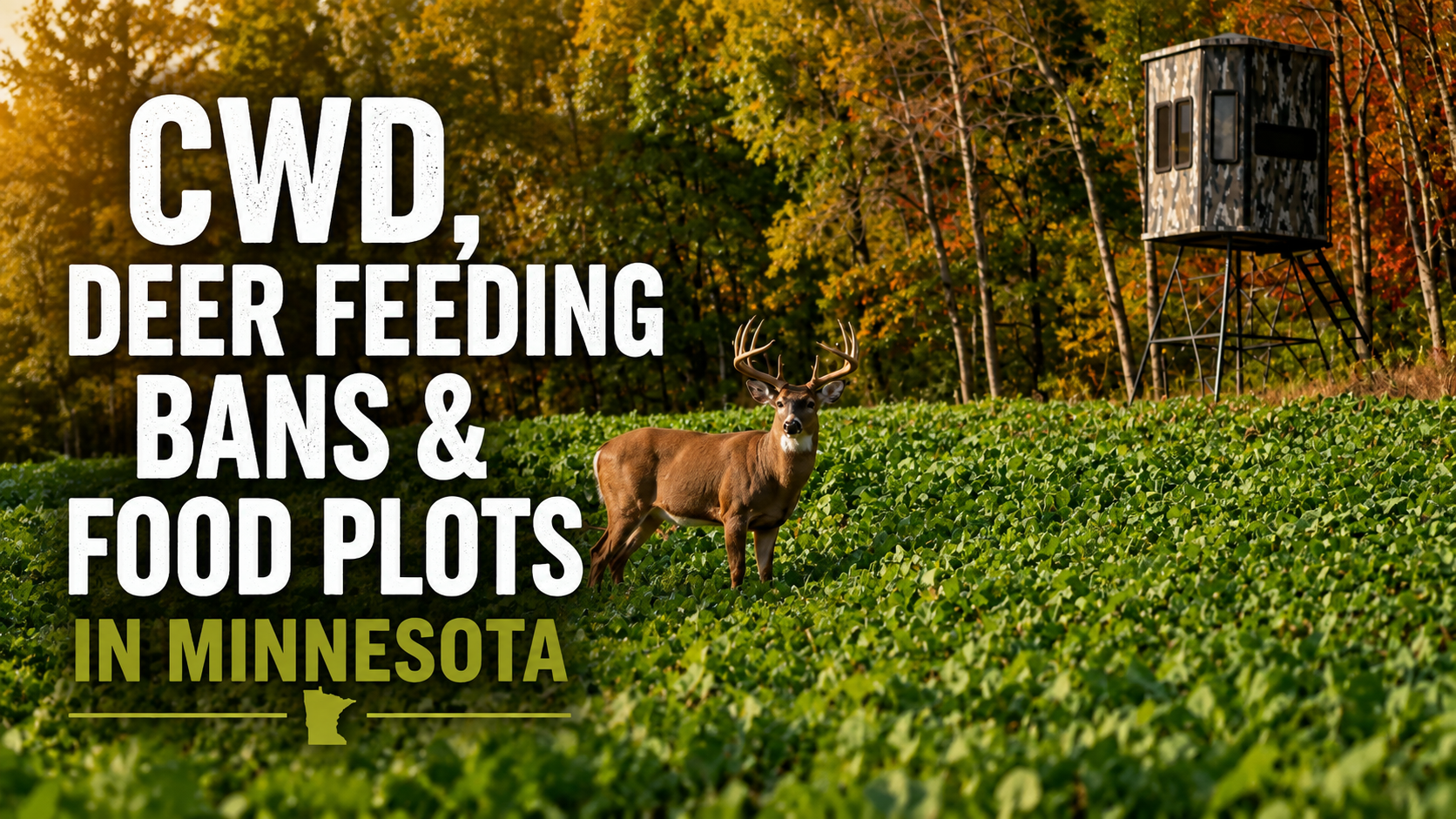
This article is designed to help Minnesota hunters understand CWD, feeding bans, baiting rules, attractant concerns, food plot planning, land equipment work, and hunting blind strategy. It is educational only and is not legal advice. Always check current Minnesota DNR rules before planting, feeding, using attractants, or hunting.
Minnesota deer hunting has always been about more than opening weekend. It is about land stewardship, family traditions, habitat work, ethical hunting, and protecting the health of the deer herd for future generations. Chronic wasting disease, often called CWD, has made those responsibilities even more important.
When deer are repeatedly pulled into the same artificial feeding or attractant site, close animal-to-animal contact can increase. That is one reason hunters are seeing more attention on feeding bans, attractant restrictions, baiting rules, CWD testing, and responsible habitat planning.
That leaves many hunters and landowners asking a smart question: if dumping feed, baiting, and certain attractants are restricted or illegal, what can we do to improve hunting land the right way? One of the best answers is responsible habitat work, including legal food plots, soil improvement, native cover, better blind placement, good access routes, and the right equipment for the job.
Many hunters are not trying to break the rules. They are trying to understand the difference between baiting, feeding, attractants, food plots, farm fields, minerals, and legal habitat work. These are the practical questions that matter before deer season.
Food plots can be legal when they are part of normal land and habitat management, but hunters should always verify current DNR baiting, feeding, attractant, CWD, county, and land-use rules before hunting.
Normal agricultural crops, wildlife food plantings, forest management, orchard management, and similar land management activities are treated differently than placed bait, but details matter. Always review current DNR definitions.
No. Food plots do not cure, prevent, or stop CWD. They can be part of responsible habitat management and may help hunters move away from repeated artificial feeding sites that concentrate deer.
Rules depend on the product, county, CWD designation, and how it is used. In feeding and attractant ban areas, hunters must be especially careful. Check the DNR before using any mineral, salt, scent, feed, or attractant product.
In many cases, yes. A properly planned food plot is usually a better long-term land management strategy than dumping feed or relying on attractants. Food plots can support natural forage, habitat diversity, soil health, pollinators, erosion control, and more predictable deer movement across a property.
Food plots do not cure, prevent, or stop CWD. But they can help hunters move away from risky artificial feeding habits and toward healthier habitat improvement. For many properties, quality equipment such as skid steer attachments can also make a major difference in plot prep, clearing, grading, trail access, drainage work, and blind placement.
Better hunting land usually comes from planning the whole setup: the right seed, the right land preparation, the right access routes, and the right blind location. OUTDOORICA helps Central Minnesota hunters connect those pieces together.
Chronic wasting disease is a fatal neurological disease found in cervids such as deer, elk, moose, and reindeer. It is difficult to manage because it can spread between animals and can persist in the environment.
CWD is a long-term wildlife management concern for deer hunters, landowners, and conservation professionals.
CWD is one reason hunters are seeing more attention on testing, carcass rules, feeding bans, and attractant restrictions.
Responsible hunters can help by avoiding baiting, following DNR rules, disposing of carcasses correctly, and managing habitat responsibly.
This is one of the biggest areas of confusion for hunters. A bag of corn, mineral block, salt product, attractant, food plot, hayfield, crop field, and clover plot can all sound similar in casual conversation, but they are not treated the same under hunting and wildlife rules.
Baiting generally means placing food or other bait to attract or entice deer. Minnesota does not allow taking deer with the aid or use of bait.
In certain counties, deer feeding and attractants are prohibited because they can artificially concentrate deer and increase disease-spread risk.
Food plots are planted habitat areas that can provide forage, improve soil, add cover, and support more natural deer movement when done legally and responsibly.
Important: Do not assume a product is legal just because it is sold in stores or online. Some products may be legal in one place, illegal in another, or legal to own but not legal to use for hunting. Always check current Minnesota DNR rules for your county and situation.
Food plots are not a shortcut. They are a land management tool. Done right, they can help improve how deer use a property while also supporting soil health, forage diversity, edge habitat, and more ethical hunting setups.
A good plot encourages deer to use habitat naturally instead of forcing them to gather around a feed pile.
Seed blends, soil prep, fertilizer, and crop rotation can help build stronger long-term food sources.
The right attachment can help clear brush, prep seedbeds, repair trails, move material, and improve access.
Food plots work best when blind placement, wind direction, shooting lanes, and access routes are planned together.
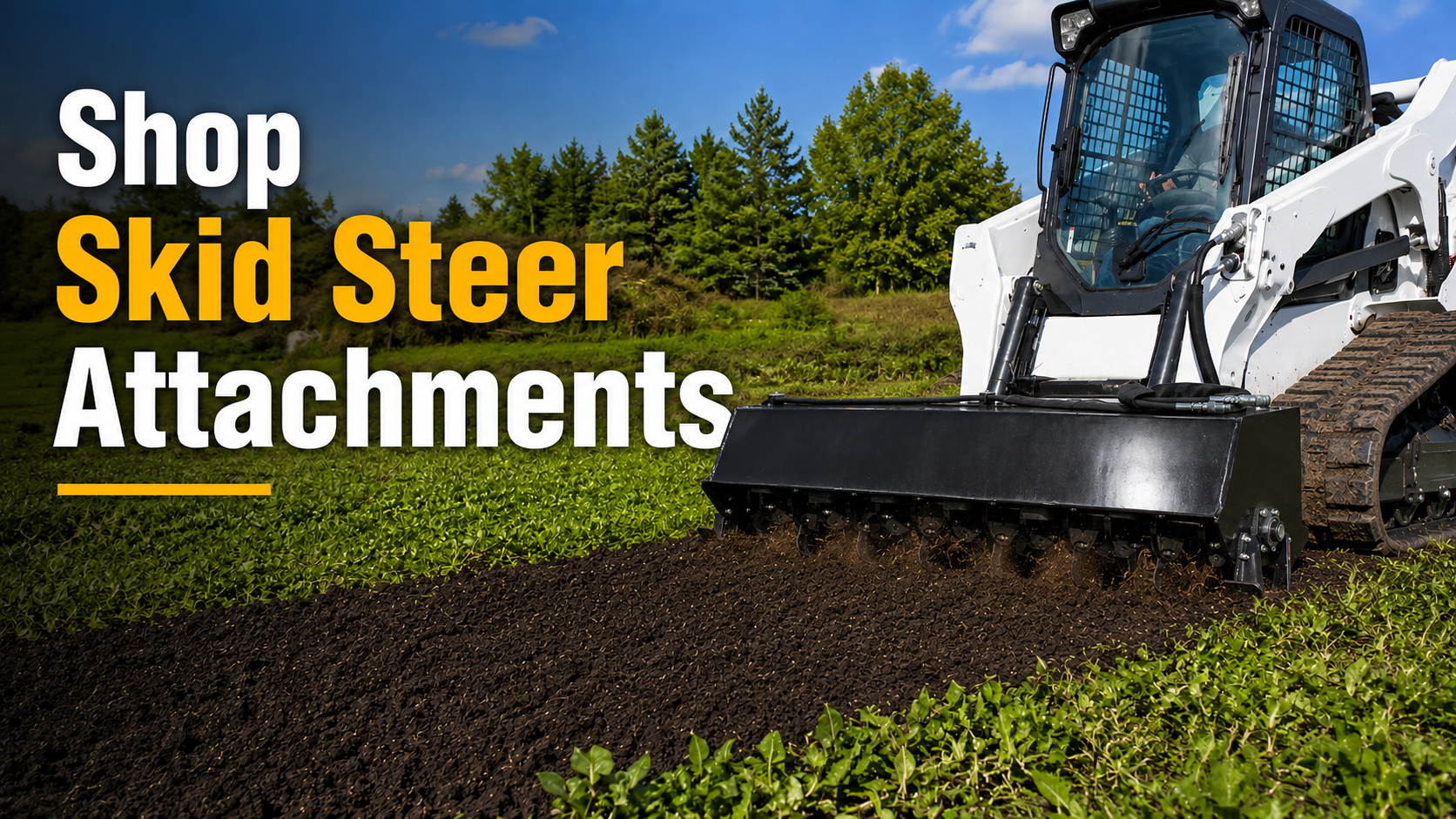
Food plot seed matters, but seed alone cannot fix every property. Many hunting properties need real land work before a plot can reach its potential. That may include clearing brush, smoothing rough ground, opening access trails, preparing a seedbed, repairing erosion, improving drainage, moving material, or creating a safe area for a permanent blind.
For landowners with access to a skid steer, the right attachment can turn a difficult habitat project into a realistic weekend project. A better-prepared food plot can improve germination, make maintenance easier, create cleaner access, and help hunters manage pressure on the property more effectively.
Shop Skid Steer AttachmentsA successful food plot often starts before the seed ever hits the ground. Clearing, grading, access, brush control, material handling, and site prep can all affect how well your plot performs and how easily you can hunt it.
Prepare seedbeds, clean up old plots, move material, and improve field edges before planting.
Create quieter entry routes, improve equipment access, and reduce unnecessary disturbance during hunting season.
Clear overgrowth, shape field edges, and maintain openings where food plots and blinds can work together.
Level areas, improve access, move base material, and prepare safe, practical blind locations.
The best seed blend depends on your soil, sunlight, property layout, planting window, hunting goals, and equipment. A small shaded plot near timber may need a different strategy than a sunny field edge, logging trail, or larger destination plot.
Clover, chicory, alfalfa-style blends, and other perennial or warm-season options can support longer-term forage goals.
Brassicas, turnips, radishes, oats, rye, and fall blends can become important as natural food sources change later in the season.
Some blends can help with soil structure, organic matter, erosion control, and future plot performance.
OUTDOORICA is located in Albany, Minnesota, in Stearns County, and many local hunters own, lease, or hunt land across Central Minnesota. Counties such as Sherburne, Meeker, and Wright are especially important to watch because feeding and attractant restrictions can affect how hunters plan their land and prepare for the season.
Food plot planning and equipment work can help property owners create better movement, improve habitat, and set up smarter blind locations.
These counties are examples of nearby areas where feeding and attractant restrictions are especially important for hunters to understand.
Even where feeding bans may not apply, hunters should still avoid illegal baiting and focus on legal habitat improvement and ethical land management.
County-by-county rules matter. Always confirm current DNR and county rules before using attractants, placing feed, planting plots, or hunting.
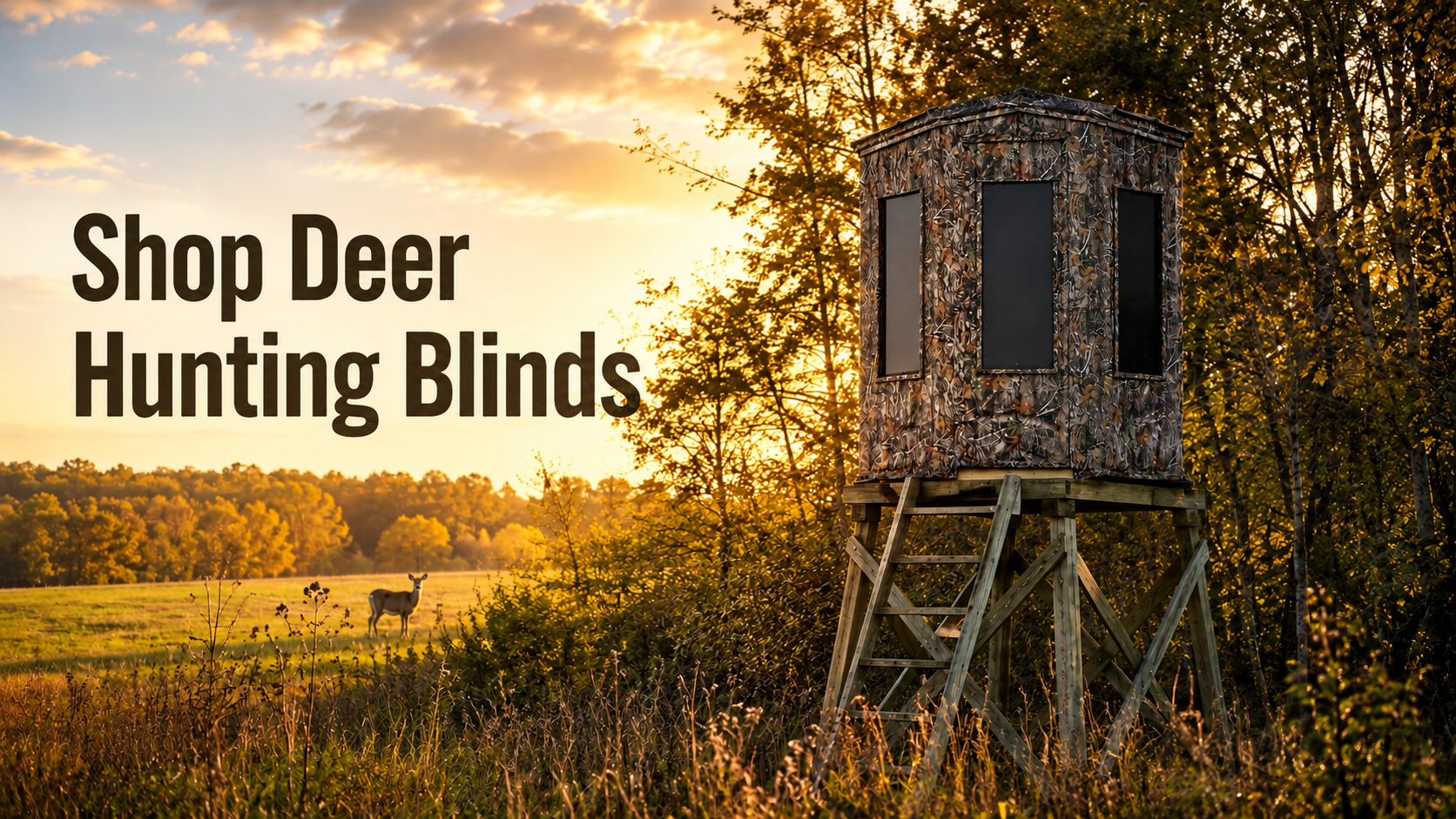
A strong food plot strategy should work together with your blind placement and land access. If the plot is right but the blind is wrong, you may create deer activity that you cannot hunt effectively. If the access route is poor, you may pressure the property before the hunt even begins.
A plot should match the wind, the access route, and the place where deer naturally want to move.
Good access trails, clean openings, and safe equipment routes can reduce pressure and make land management easier.
Permanent blinds are best planned early so deer can adjust to them before high-pressure hunting days.
- Plant legal food plots designed for your soil and property.
- Use seed blends that match your planting window and goals.
- Use the right equipment for clearing, grading, access, and plot prep.
- Place blinds with wind, safety, and deer movement in mind.
- Check DNR rules before using attractants or hunting near any food source.
- Do not hunt deer with the aid or use of bait.
- Do not assume minerals, salt, scents, or attractants are legal everywhere.
- Do not concentrate deer around repeated feeding locations.
- Do not ignore county feeding and attractant bans.
- Do not rely on social media advice instead of current DNR rules.
OUTDOORICA is more than a place to buy products. We are a Central Minnesota outdoor store that understands deer hunting, hunting blinds, habitat work, food plot planning, land access, and the equipment local hunters use to prepare their properties.
Shop food plot options for Minnesota hunters looking to improve their land.
Pair your plot strategy with a permanent blind that fits your property and hunting style.
Find attachments that help with plot prep, trail work, brush clearing, material handling, and property improvement.
Get local perspective from a store located in Albany, MN, serving hunters across Central Minnesota.
OUTDOORICA can help with food plot seed, hunting blinds, skid steer attachments, and habitat products, but hunters are responsible for knowing and following current regulations. Use official DNR resources before planting, feeding, using attractants, or hunting.
Learn about chronic wasting disease, testing, disease management, and DNR updates.
Check current county feeding and attractant restrictions before using feed, minerals, salt, or attractants.
Review Minnesota baiting rules and know the difference between habitat work and illegal baiting.
Review season dates, deer permit areas, regulations, CWD updates, and hunting requirements.
Chronic wasting disease, or CWD, is a fatal neurological disease that affects deer and other cervids. It is a serious long-term concern for deer herd health and wildlife management.
Feeding and attractants can artificially concentrate deer, increasing close contact between animals. That can raise disease-spread concerns, especially in areas affected by CWD risk.
Yes. Minnesota does not allow hunters to take deer with the aid or use of bait anywhere in the state. Always review current DNR baiting definitions and rules before hunting.
Food plots can be legal when they are part of normal land and habitat management, but hunters should always confirm current DNR rules, county feeding and attractant bans, and baiting regulations before planting or hunting near any food source.
Normal agricultural crops, wildlife food plantings, forest management, orchard management, and similar land management activities are treated differently than placed bait, but the details matter. Review current Minnesota DNR rules before hunting.
No. Food plots do not cure, prevent, or stop CWD. They can, however, be part of responsible habitat management and may help hunters move away from risky artificial feeding habits.
Skid steer attachments can help landowners clear brush, prepare seedbeds, maintain access trails, move material, improve drainage, and prepare blind locations. Better equipment can make food plot and habitat work more efficient and consistent.
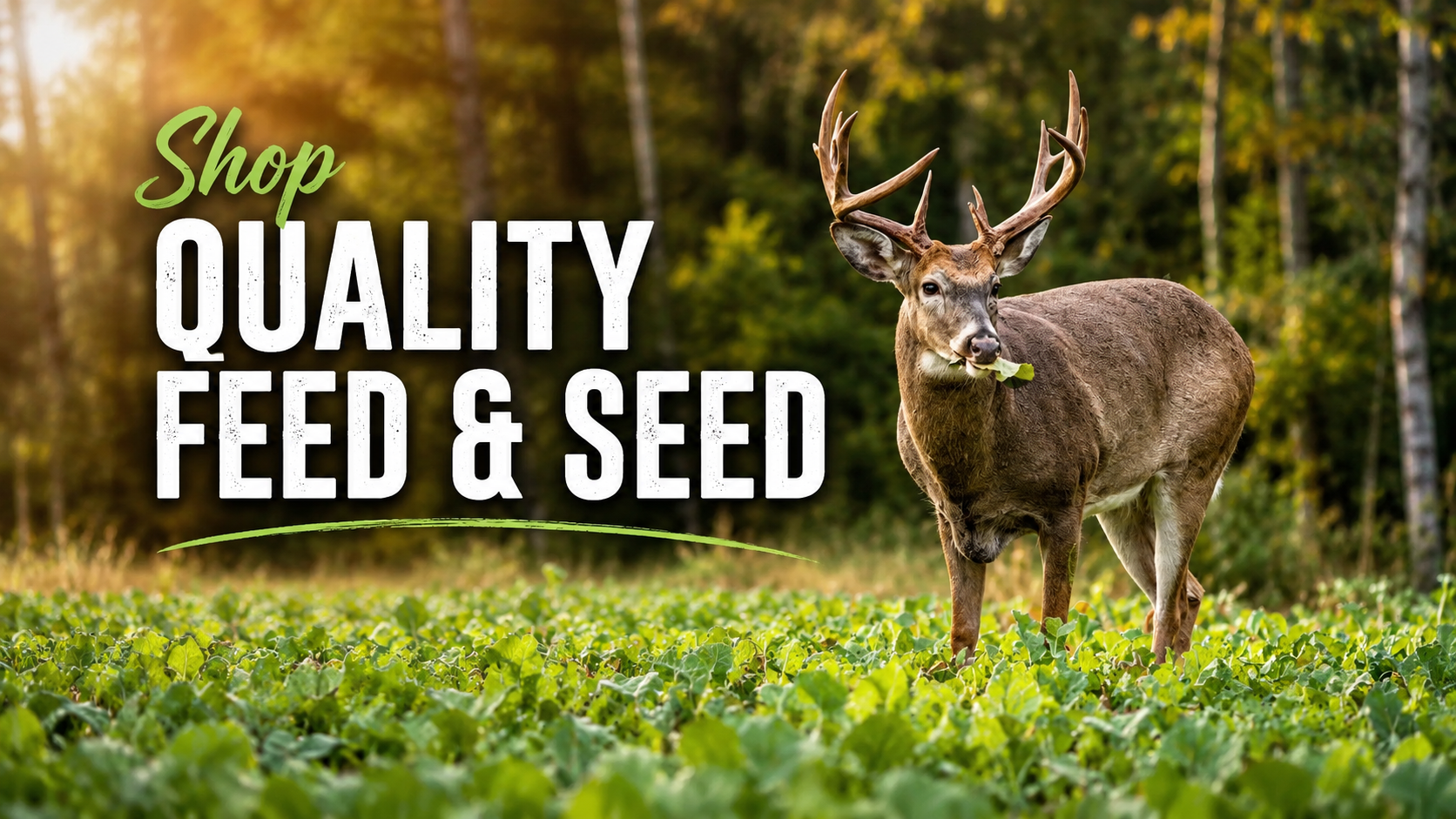
OUTDOORICA in Albany, Minnesota carries food plot seed, feed and seed products, fertilizer, deer habitat products, skid steer attachments, hunting blinds, and hunting gear for Central Minnesota landowners and hunters.
Yes. Food plots, land prep, equipment work, access routes, and hunting blinds work best when planned together. Consider wind, access routes, shooting lanes, bedding areas, property lines, safe backstops, and equipment access before planting or placing a blind.
CWD, baiting laws, feeding restrictions, and changing deer management rules make responsible habitat work more important than ever. Visit OUTDOORICA in Albany, MN for food plot seed, deer habitat products, permanent hunting blinds, skid steer attachments, and practical Central Minnesota hunting land advice.
OUTDOORICA | 209 County Road 156, Albany, MN 56307 | Food plot seed, deer habitat products, permanent hunting blinds, skid steer attachments, and hunting land management supplies.