
Posted by OUTDOORICA on 27th Apr 2026
How to Prepare Land for a Pre-Built Amish Cabin in Minnesota
How to Prepare Your Land for a Pre-Built Amish Cabin in Minnesota
A pre-built Amish cabin can be a beautiful, practical way to add usable space to hunting land, lake property, wooded acreage, a backyard, farm site, or recreational property. The best cabin experience starts with choosing the right location and getting the site ready before delivery day.
At OUTDOORICA in Albany, Minnesota, we help customers shop Amish-built cabins, prefab cabins, pre-fabricated cabins, pre-built cabins, cabin shells, hunting cabins, backyard cabins, bunkhouses, weekend retreats, and small recreational cabins for properties throughout Central Minnesota and across the state.
This guide is designed to make Amish cabin site preparation feel simple, organized, and manageable. It explains what to think about before delivery so your cabin project feels exciting instead of overwhelming.
Want to learn more first? Read OUTDOORICA’s guide to Amish cabins in Minnesota.
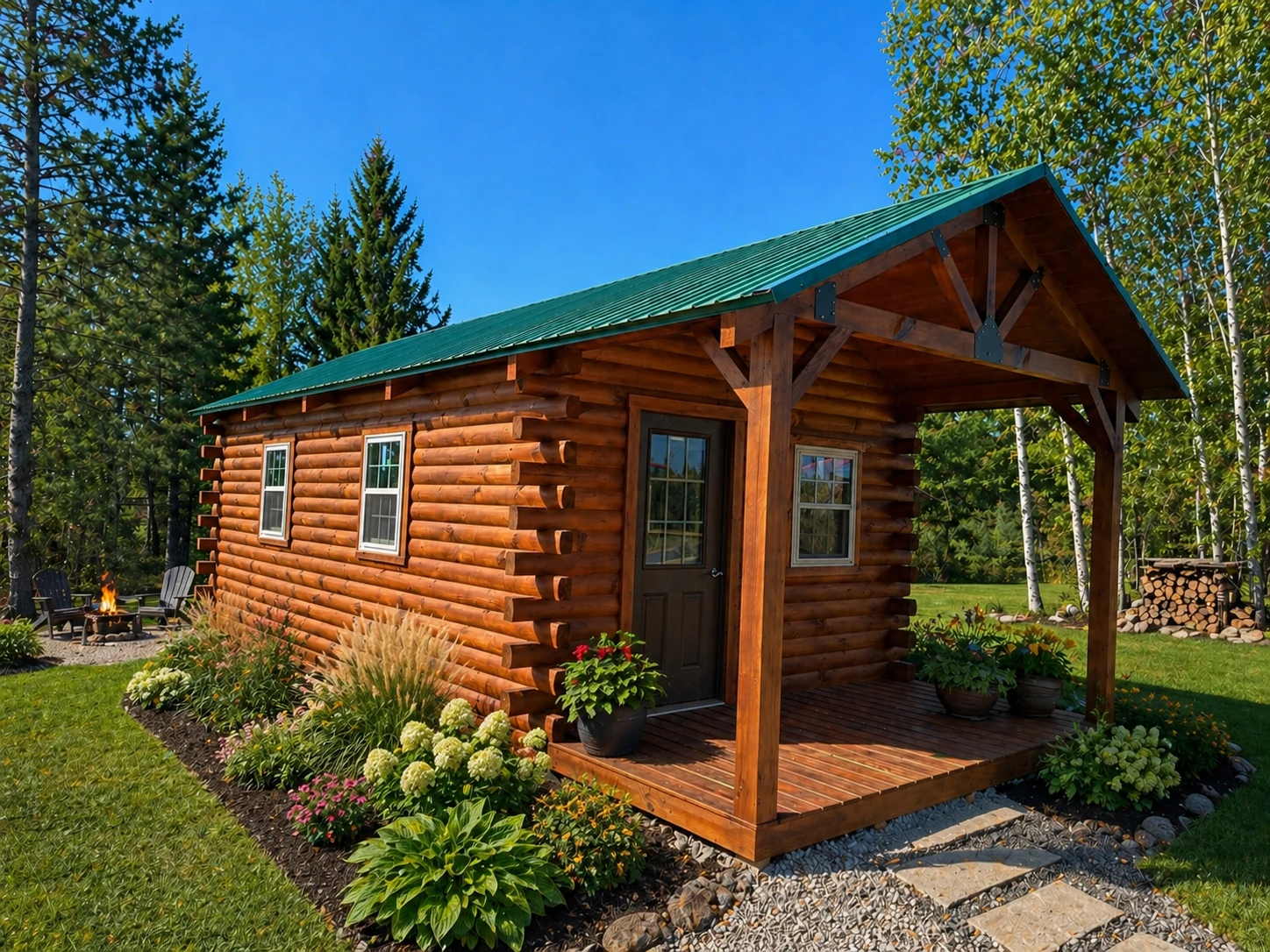
Site Prep Does Not Have to Be Complicated
Most cabin buyers simply need to think through five things: how the cabin will be used, whether the location works locally, whether delivery equipment can reach the site, what type of pad or foundation is needed, and how water will drain away from the cabin.
This guide is not meant to make buying a cabin feel intimidating. It is meant to make the process easier. A little planning before delivery can help you avoid surprises and enjoy your Amish cabin sooner.
YOUR LAND. YOUR STYLE. YOUR GETAWAY.
Custom Build Your Dream Amish Cabin
Picture morning coffee with a view, a comfortable hunting-camp retreat, or a place for family weekends. Start shaping that idea with OUTDOORICA’s Custom Amish Cabin Builder in Minnesota—at home, on your own time.
Compare cabin styles and sizes, explore roof colors, exterior stains, flooring, comfort packages, and compatible upgrades. Review the interactive floor plan and estimated cabin price as you make selections, then bring your preferred configuration to OUTDOORICA.
Connect your cabin ideas to your site plan. Use your preferred size and layout to think through placement, entry direction, delivery access, and future use alongside the checklist below. Confirm final cabin dimensions and site requirements before preparing the pad or foundation.
Start Building Your Dream CabinThe online design is a planning tool, not a final construction agreement or site approval. Pricing is estimated; delivery, taxes, site work, and items marked TBD are separate unless included in a written OUTDOORICA quote.
Why Minnesota Cabin Buyers Start with OUTDOORICA
OUTDOORICA is more than a place to browse cabins. We want to be a trusted Minnesota resource for people comparing Amish cabins, pre-built cabins, cabin shells, hunting cabins, lake property cabins, bunkhouses, guest cabins, and recreational cabin options.
Cabin Shopping Made Easier
Compare Amish-built cabin styles, sizes, layouts, and use cases in one place before deciding what fits your property.
Minnesota-Focused Guidance
This guide is written for real Minnesota buyers thinking about snow, mud, lake lots, wooded land, hunting property, rural driveways, and seasonal use.
Practical Buyer Education
We help you understand the right questions to ask before delivery, from access and drainage to pads, foundations, utilities, and local approval.
Located in Central Minnesota
OUTDOORICA is based in Albany, MN, making us a convenient destination for cabin shoppers across St. Cloud, Alexandria, Brainerd Lakes, Willmar, lake country, hunting land, and Greater Minnesota.
The Simple Cabin Site Prep Formula
A smooth pre-built Amish cabin project usually comes down to a few practical basics. Use this simple formula as you walk your property and think through where your cabin should go.
1. Decide How You Want to Use the Cabin
Before preparing your land, think about how you plan to use the cabin. A simple seasonal hunting cabin may have different site-prep needs than a guest cabin, backyard office, lake property cabin, finished cabin shell, bunkhouse, or future living space.
Hunting Cabin or Deer Camp
A practical cabin for hunting land, wooded acreage, weekend stays, gear storage, deer camp, or seasonal outdoor use.
Lake Property Cabin
A comfortable retreat for Minnesota lake lots, family weekends, guest overflow, fishing trips, and summer use.
Backyard Guest Cabin
A guest space, backyard retreat, office, studio, hobby building, or extra family space near your home.
Finished Cabin Shell
A cabin that may later include heat, electricity, plumbing, bathroom fixtures, insulation, or year-round use.
2. Ask the Right Local Questions Before Site Work Begins
A quick call to your city, county, or township office can help you avoid preparing the wrong spot. This is especially helpful before clearing trees, building a gravel pad, pouring concrete, adding utilities, or scheduling delivery.
Zoning and Use
- Is this type of Amish cabin allowed on my property?
- Is it considered an accessory structure, recreational cabin, storage building, guest space, cabin shell, dwelling, or something else?
- Are overnight stays allowed?
- Is a primary home required before placing an accessory cabin?
- Is short-term rental use allowed?
Permits and Setbacks
- Is a building permit required?
- What setbacks apply from property lines, roads, lakes, rivers, wetlands, wells, septic areas, and easements?
- Are there height or size limits?
- Is a variance, conditional use permit, or other approval needed?
- Are there HOA, lake association, or deed restrictions?
Customer-friendly reminder: These questions are not meant to make the process intimidating. They are simply the smart first step before preparing your site.
OUTDOORICA does not verify whether a cabin is allowed on a specific lot, whether it may be used for sleeping, or whether it qualifies as a dwelling. Customers should confirm those property-specific details locally.
3. Choose the Best Location for Your Amish Cabin
It is natural to pick the spot with the best view, but a strong cabin location should also be practical. The best site is usually dry, reachable, level, stable, and large enough for the cabin, delivery equipment, stairs, and future improvements.
A Good Cabin Site Should Be
- Flat or capable of being made flat
- High and dry
- Away from low wet areas
- Away from septic drainfields
- Away from wells
- Away from easements
- Away from overhead wires
- Large enough for the cabin and delivery equipment
Also Think About
- Front door direction
- Future stairs, deck, ramp, or porch
- Snow removal access
- Emergency access
- Future electric, water, or septic routes
- Privacy from roads or neighbors
- Drainage away from the cabin
- Room to maintain the cabin over time
4. Make Sure the Cabin Can Be Delivered to the Site
A beautiful cabin pad will not help if the delivery crew cannot safely reach it. Delivery access is especially important for wooded lots, raw land, hunting land, lake lots, rural driveways, private roads, soft soil, and tight turns.
Check the Driveway and Route
- Driveway width
- Road width
- Turning radius
- Gate width
- Culvert condition
- Fence openings
- Soft ground or steep hills
Look Up and Around
- Overhead tree branches
- Overhead power lines
- Sharp curves
- Seasonal mud
- Snow or ice
- Township road restrictions
- Room for placement equipment
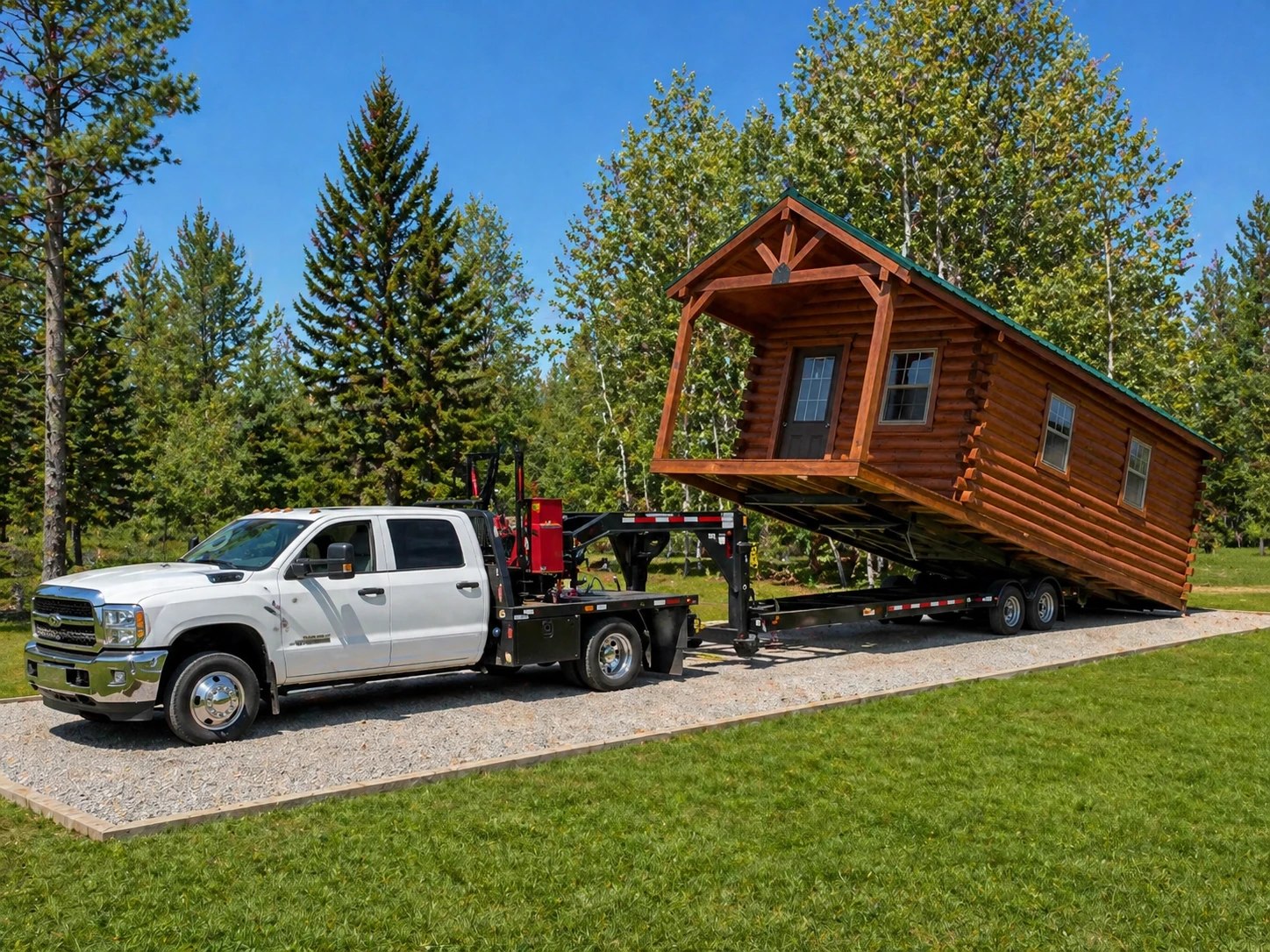
The customer is responsible for providing safe, clear, and adequate access from the road to the final placement site. If delivery access is not safe or ready, delivery may need to be delayed or adjusted.
5. Prepare a Level, Stable Base or Foundation
The base underneath your cabin matters. A stable, level, well-drained site helps support the cabin properly and can reduce problems caused by settling, standing water, soft soil, or uneven support.
Gravel or Limestone Pad
A common option for some cabin shells or recreational uses when allowed locally. It should be compacted, level, stable, and well drained.
Concrete Slab or Piers
May be appropriate for certain sites, larger cabins, or more permanent uses depending on local requirements and contractor guidance.
Post-and-Beam or Blocks
May be used in some situations depending on cabin size, local requirements, soil conditions, and support needs.
Engineered Foundation
May be needed for difficult soils, larger structures, frost considerations, finished living space, or local code requirements.
What a Ready Amish Cabin Base Usually Includes
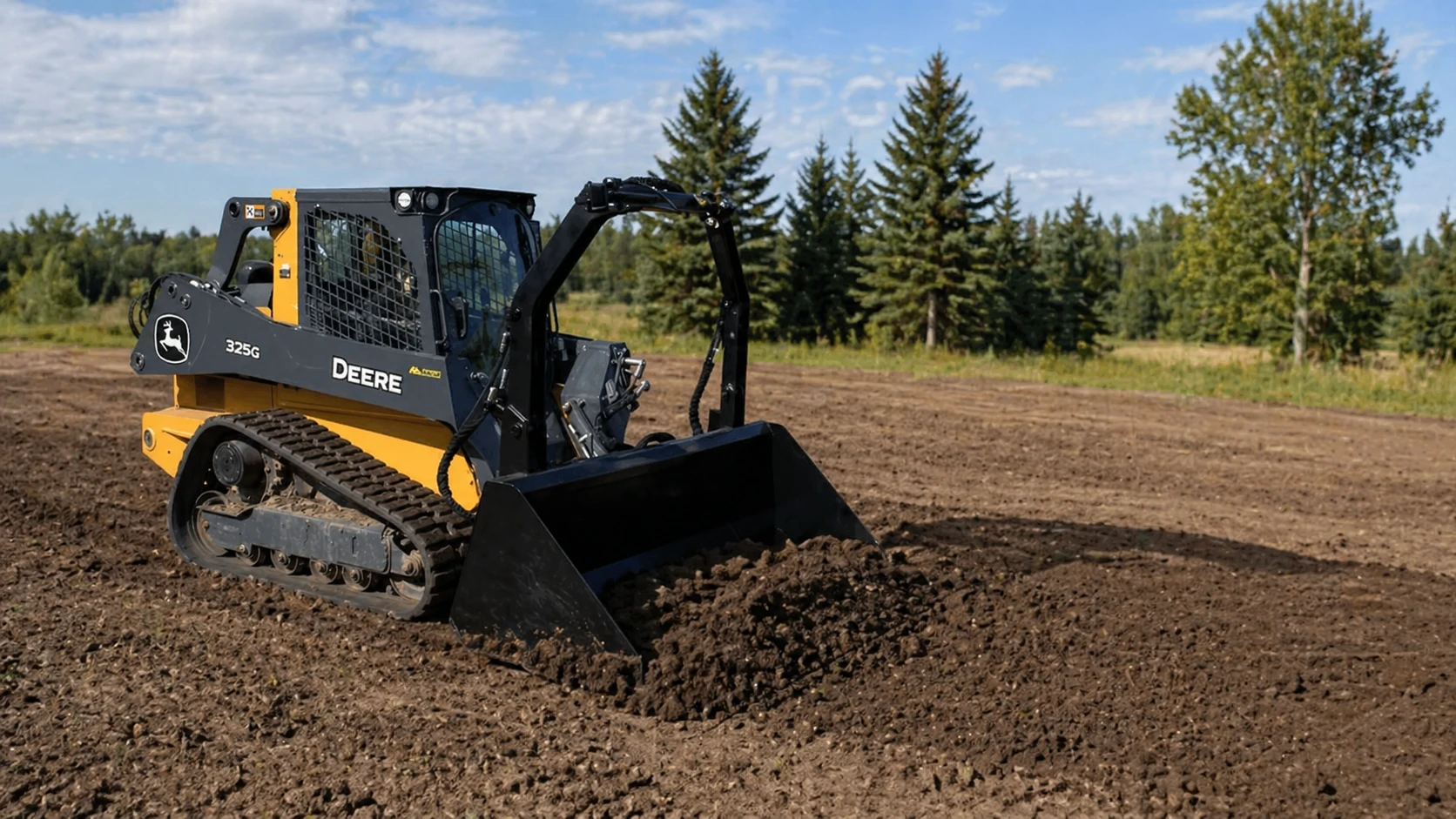
For many cabin projects, customers work with a local contractor to prepare the area before delivery. A strong base is typically level, compacted, stable, well-drained, and ready before the delivery window.
OUTDOORICA and the Amish builders do not level, excavate, compact, grade, block, trench, pour concrete, or perform foundation work unless specifically stated in writing.
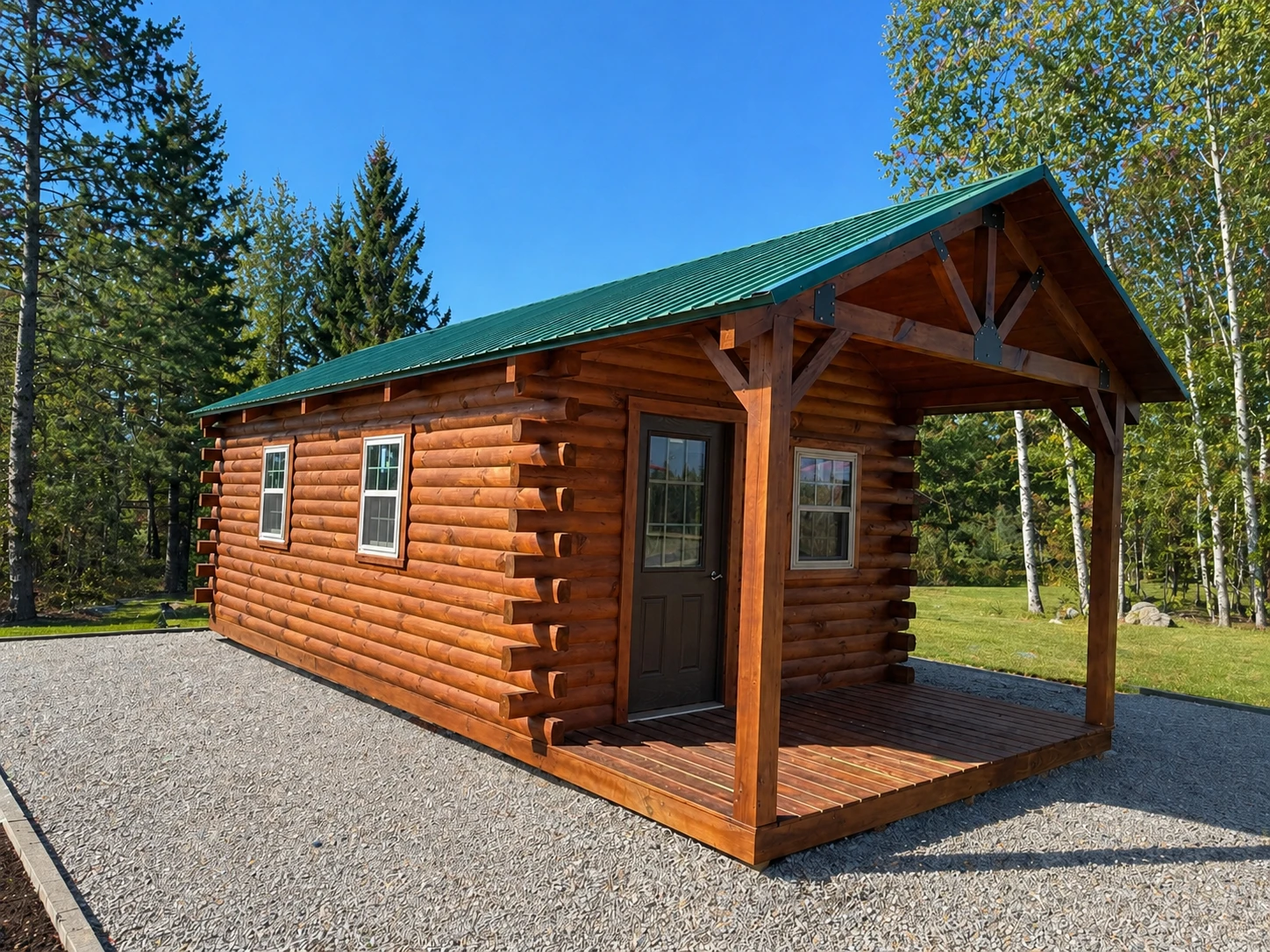
6. Plan for Drainage and Minnesota Weather
Water is one of the most important things to think about when preparing a cabin site. A cabin should not sit where water collects, runs underneath it, or drains toward the foundation area.
Drainage Away
Grade the area so water moves away from the cabin instead of pooling around it.
Stable Ground
Avoid low, wet, or unstable areas that may soften during spring thaw or heavy rain.
Seasonal Access
Think about spring mud, fall rains, winter snow, frozen ground, and rural road conditions.
7. Lake, River, Wetland, Bluff, and Floodplain Properties
Minnesota buyers often want cabins for lake lots, river property, wooded recreational land, or acreage near wetlands. These can be excellent settings, but they may involve additional local rules. This does not mean you cannot place a cabin on recreational or lake property. It simply means you should confirm what applies before clearing trees, moving soil, installing a pad, or scheduling delivery.
Ask Locally About
- Shoreland zoning
- Lake, river, stream, or road setbacks
- Wetland buffers
- Bluff impact zones
- Floodplain rules
- Impervious surface limits
8. Think Ahead About Utilities
Not every cabin needs utilities. Many customers want a simple seasonal cabin or recreational structure. But if you think you may want electricity, running water, a bathroom, heat, air conditioning, or year-round use later, it is easier to think through those items before choosing the final cabin location.
Septic and Bathroom Planning
If the cabin will have a toilet, shower, sink, laundry, or other wastewater fixture, you may need septic review, soil evaluation, septic design, permits, inspections, or county environmental services approval.
Electrical Planning
If you want electricity, you may need an electrical permit, licensed electrician, meter pedestal, trenching, service panel, generator connection, solar setup, wiring, or inspection.
What OUTDOORICA Can Help With — and What Customers Should Arrange Locally
OUTDOORICA’s role is to help customers shop cabin options, compare sizes and layouts, understand general delivery readiness, and choose a pre-built Amish cabin that fits their goals. Property-specific approvals and site work should be handled locally with the appropriate officials and contractors.
OUTDOORICA Can Help With
- Amish cabin shopping and product information
- Cabin size, layout, and style comparisons
- Helping you compare hunting cabin, lake cabin, backyard cabin, bunkhouse, guest cabin, and cabin shell options
- General delivery-readiness discussion
- Basic buyer education before purchasing a pre-built Amish cabin
- Helping you understand what questions to ask your local officials or contractors
Customers Should Arrange Locally
- Zoning review, building permits, setbacks, and local approvals
- Site preparation, excavation, grading, and drainage work
- Gravel pads, concrete pads, piers, blocks, foundations, or engineered foundation plans
- Driveway access, culverts, tree trimming, and delivery route preparation
- Septic, well, water, sewer, electric, plumbing, HVAC, and heat installation
- Surveying, soil testing, inspections, code compliance, insurance, taxes, and property classification questions
Simple reminder: OUTDOORICA sells pre-built Amish cabins and helps customers understand general buying and delivery-readiness considerations. OUTDOORICA does not perform site preparation, zoning review, permitting, surveying, engineering, soil testing, foundation design, excavation, grading, utility work, septic work, well work, electrical work, plumbing work, HVAC work, insurance verification, tax classification review, or final code approval unless specifically stated in writing.
Pre-Delivery Checklist for Your Minnesota Amish Cabin Site
Use this checklist as a practical planning tool before your cabin arrives. It is intentionally written to help buyers stay organized without making the process feel overwhelming.
Preparing Cabin Sites Across Minnesota
OUTDOORICA is based in Central Minnesota and serves buyers shopping for Amish cabins and pre-built cabins across the state. Whether your property is near St. Cloud, Albany, Alexandria, Brainerd Lakes, Willmar, the Twin Cities, lake country, hunting land, wooded acreage, or rural Greater Minnesota, the right cabin starts with a good site plan.
Minnesota buyers often think about cabins in practical terms: hunting season, lake weekends, guest overflow, backyard retreat space, rural land improvement, and flexible buildings that can be enjoyed for years. This guide is built to help real buyers understand how to prepare land for a cabin without turning the process into something confusing.
Next step: Compare cabin styles, sizes, and buying considerations with OUTDOORICA.
Related searches this guide is built to help answer: Amish cabins Minnesota, Amish cabins for sale in Minnesota, pre-built cabins Minnesota, prefab cabins Minnesota, prefabricated cabins Minnesota, pre-fabricated cabins Minnesota, prepare land for cabin, cabin site prep Minnesota, cabin foundation Minnesota, gravel pad for cabin, hunting cabins Minnesota, lake property cabins Minnesota, cabin shells Minnesota, Amish cabin delivery Minnesota, and small cabins for sale in Minnesota.
FAQ: Preparing Land for a Pre-Built Amish Cabin in Minnesota
Do I need a permit for a pre-built Amish cabin in Minnesota?
Maybe. Permit requirements vary by city, county, township, cabin size, foundation type, property location, and intended use. Contact your local building official or zoning office before delivery.
Can I put an Amish cabin on raw land in Minnesota?
Possibly. Many buyers consider Amish cabins for hunting land, wooded acreage, lake property, and rural land, but you should first check zoning, access, setbacks, septic rules, and any shoreland, wetland, bluff, or floodplain restrictions.
What kind of base or foundation do I need for an Amish cabin?
Common options may include gravel pads, limestone pads, concrete slabs, concrete piers, post-and-beam foundations, blocks, patio blocks, or engineered foundations. The correct option depends on local requirements, soil conditions, cabin size, foundation type, frost considerations, and intended use.
How do I prepare a gravel pad for a pre-built cabin?
Many buyers work with a contractor to remove sod and topsoil, clear roots and stumps, grade the area, add fabric if appropriate, install compactable base material, compact in lifts, confirm the pad is level, and grade the surrounding area so water drains away from the cabin.
Does OUTDOORICA prepare the cabin site?
No. OUTDOORICA and the Amish builders do not perform site prep, excavation, grading, foundation work, permitting, zoning review, electrical work, plumbing, septic, well, or utility work unless specifically stated in writing.
Can I add electricity, plumbing, or a bathroom later?
Possibly, but those items may require permits, inspections, licensed contractors, septic approval, well or water service, plumbing review, and electrical work. If you think you may want utilities later, plan ahead before choosing the final cabin location.
Where can I shop for Amish cabins in Minnesota?
OUTDOORICA in Albany, Minnesota is a destination for shoppers looking for Amish-built cabins, pre-built cabins, cabin shells, hunting cabins, lake property cabins, backyard cabins, bunkhouses, and recreational cabins across Minnesota. You can shop Amish cabins here.
Ready to Shop Amish Cabins in Minnesota?
If you are searching for Amish cabins in Minnesota, Amish cabins for sale in Minnesota, prefabricated cabins, pre-fabricated cabins, pre-built cabins, hunting cabins, lake property cabins, or a practical cabin shell for rural acreage, OUTDOORICA is a great place to start.
Visit OUTDOORICA in Albany, Minnesota or browse online to compare Amish-built cabin options for your land, lake lot, hunting property, backyard, or weekend retreat.
Prefer to keep researching first? Read more about Amish cabins in Minnesota.
OUTDOORICA • 209 County Rd 156, Albany, MN 56307
Final Site Prep Note
This guide is intended to help Minnesota cabin buyers think through site preparation before purchasing or scheduling delivery. It is not legal, engineering, construction, zoning, building code, tax, insurance, or financing advice. Requirements vary by property and local jurisdiction.
Customers should contact the appropriate local officials and qualified contractors before preparing land, installing a pad or foundation, adding utilities, or scheduling delivery.