

Posted by Outdoorica on 29th Jan 2026
Cub Cadet Riding Lawn Mowers & Zero-Turns: The Ultimate Buyer’s Guide for Minnesota Homeowners
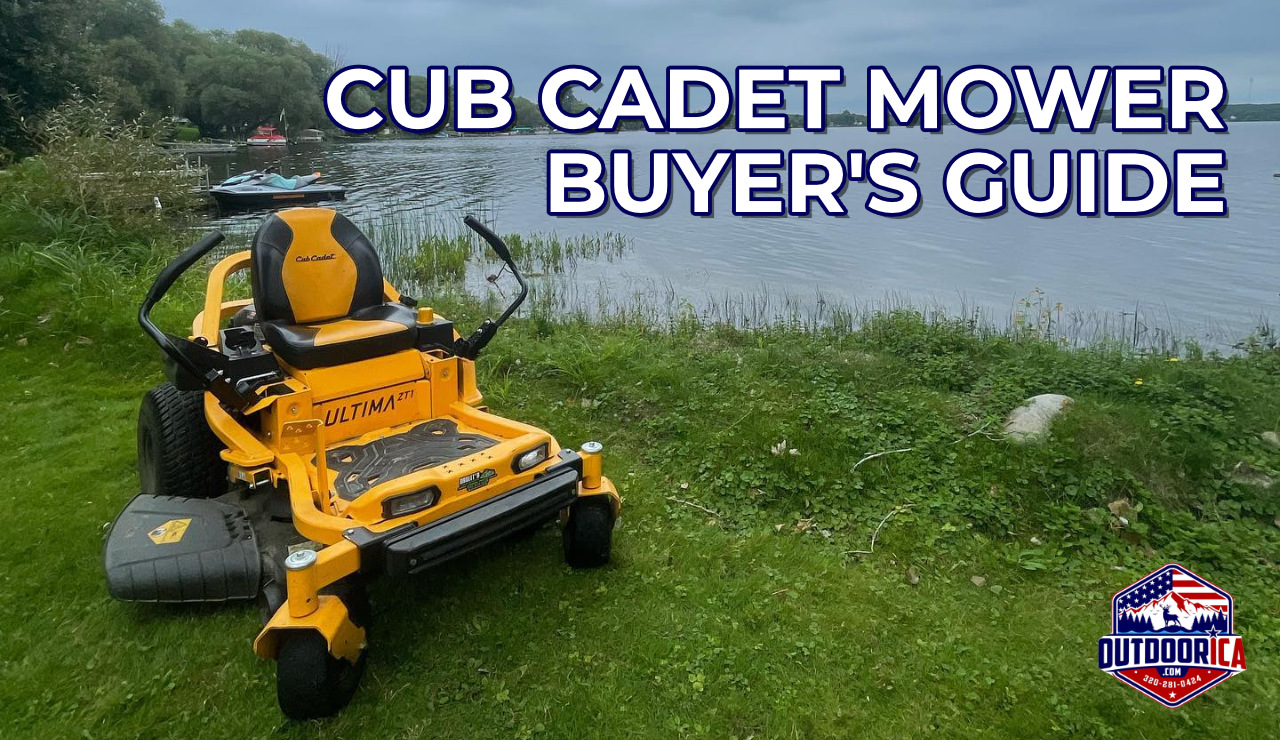
Buying a riding lawn mower is one of those decisions that feels simple—until you start comparing mower types, deck sizes, hills, gate width, storage space, and how you actually mow week to week. The right mower isn’t just about brand or horsepower; it’s about matching the machine to your property, your terrain, and your long-term ownership expectations.
This pillar guide is designed to be the ultimate Cub Cadet riding mower buyer’s resource for Central Minnesota homeowners. Use it to narrow down the best mower type (lawn tractor vs zero-turn), choose a deck size that fits your property (and your gate), understand hills and safety, and plan for maintenance and longevity. When you’re ready, use Outdoorica’s category filters to compare what’s available.
Outdoorica is an authorized Cub Cadet dealer, and we help homeowners across Central Minnesota choose the right mower for real-world yard layouts—from obstacle-heavy properties to rolling terrain and drainage areas that are common in this part of Minnesota.
Quick Links: Shop & Support at Outdoorica
Shop
Support & Alternatives
Contact
Start Here: The 7 Questions That Choose the Right Riding Mower
If you want to avoid buyer’s remorse, answer these in order. They’re the same questions shoppers search for—and the same factors that determine whether a mower feels “perfect” or frustrating.
1) What type of mower fits your yard: lawn tractor or zero-turn?
This is the biggest fork in the road. Lawn tractors prioritize stability and versatility. Zero-turn mowers prioritize speed and maneuverability—especially around obstacles. Cub Cadet offers both, which is why it’s such a strong fit for residential properties in Minnesota.
2) How much area are you mowing (and how fast do you want it done)?
Acreage matters, but layout matters just as much. Wide-open mowing favors larger cutting widths. Obstacle-heavy mowing rewards tight turning and clean edge control.
3) Do you have hills, ditches, or uneven terrain?
Central Minnesota properties often include rolling terrain, drainage areas, and uneven sections. If slopes are part of your yard, mower choice should be stability-first—not speed-first.
4) Will the mower fit through your gate and into storage?
Before you commit, measure your narrowest gate opening and storage door. Deck width and overall mower footprint are a common reason buyers change plans after purchase.
5) Do you want versatility beyond mowing?
If you plan to tow a cart, move yard materials, or handle seasonal property tasks, a lawn tractor often makes more sense than a speed-focused zero-turn.
6) What maintenance are you willing to do?
Every riding mower needs oil changes, blade maintenance, deck cleaning, and proper storage. The best mower is the one you’ll maintain consistently.
7) How important is comfort for longer mowing sessions?
Seat support, control layout, and smooth handling matter more than most people expect—especially when your mow runs 60–120 minutes.
Zero-Turn vs Lawn Tractor: Which Type Is Best?
Here’s the practical way to choose:
Choose a lawn tractor when:
- You want a stability-first feel for uneven ground
- You expect to tow carts or do yard tasks beyond mowing
- You prefer traditional steering and familiar operation
Choose a zero-turn when:
- You want faster mowing and tight turns around obstacles
- You want to reduce trimming time around edges and landscaping
- Your yard layout rewards maneuverability
Next: Zero-Turn vs Lawn Tractor: Which Is Better for Minnesota Yards?
Steering Wheel vs Traditional Zero-Turns (A Cub Cadet Strength)
Cub Cadet has a real differentiator in residential mowing because it offers both steering wheel zero-turns and traditional lap-bar zero-turns. Many homeowners want zero-turn performance but prefer a steering wheel feel—especially when upgrading from a lawn tractor—while experienced zero-turn users often prefer lap bars.
- More intuitive control for many first-time zero-turn owners
- Comfort-focused operation for longer mowing sessions
- Great fit for properties with obstacles where maneuverability matters
Deep dive: Steering Wheel vs Traditional Zero-Turn Mowers: How Cub Cadet Helps Homeowners Choose
Deck Size by Acreage (Plus the Gate & Storage Reality Check)
Deck size is one of the fastest ways to narrow down options, but bigger isn’t always better. A wider deck can reduce mowing time—until it becomes difficult to fit through gates, store, or maneuver around landscaping.
| Typical Property Size | Common Deck Range | Best For |
|---|---|---|
| Up to 1 acre | 42"–46" | Gate fit, tighter yards, more obstacles |
| 1–2 acres | 48"–54" | Balanced speed + maneuverability |
| 2+ acres | 54"–60"+ | Open mowing, faster completion |
Next: What Size Riding Lawn Mower Do I Need? (Deck Size, Gate Fit & Acreage)
Can Riding Mowers Handle Hills? (Safety & Minnesota Terrain)
Hills and slopes are a major safety and performance consideration—especially for zero-turn mowers. Different mower styles handle slopes differently, and traction can change dramatically with wet grass or uneven ground (a common reality during Minnesota spring mowing).
Key factors that affect hill handling:
- Slope angle and mowing direction (up/down vs side-hill)
- Traction (especially on damp turf)
- Weight distribution and stability
- Operator experience and control style
Next: Can Zero-Turn Mowers Handle Hills Safely?
Fabricated vs Stamped Decks: What’s Better?
This is one of the most common riding mower questions because the deck takes the most abuse—uneven ground, debris, sticks, and occasional bumps. “Fabricated vs stamped” is less about hype and more about matching durability expectations and mowing conditions.
Next: Fabricated vs Stamped Mower Decks: What’s Better for Homeowners?
Comfort & Features That Actually Matter
When comparing models, skip vague marketing labels and focus on what you’ll notice every time you mow:
- Seat support & ride comfort for longer mowing sessions
- Simple cutting-height adjustment for seasonal grass changes
- Control layout & visibility for trimming close to edges
- Deck cleaning convenience so buildup doesn’t reduce cut quality
Maintenance & Longevity: What Owners Should Expect
A well-maintained riding mower can last many years, but longevity depends on routine care and storage habits—especially in Minnesota. Owners commonly ask about oil changes, blade sharpening, deck cleaning, and winter storage.
Next: Riding Lawn Mower Maintenance, Longevity & Common Questions
Gas vs Electric vs Robotic: Which Direction Makes Sense?
Gas-powered riding mowers remain common for larger residential properties, but electric and robotic solutions are growing quickly. If your yard is a good fit and you want hands-off mowing, robotic mowers can be a strong alternative—or a complement for certain property types.
Explore: Robotic Mowers at Outdoorica
For trimming, edging, and cleanup, many homeowners pair a riding mower with STIHL handheld tools: STIHL Outdoor Power Equipment
How Cub Cadet Compares (Without the Hype)
Homeowners often cross-shop Cub Cadet with brands like John Deere, Husqvarna, and Toro when choosing a riding mower. The key is to compare mower type, deck size fit, comfort, and terrain confidence—then choose the brand and model that matches how you actually mow.
Read Next: Cub Cadet Riding Mower Series
- Steering Wheel vs Traditional Zero-Turn Mowers: How Cub Cadet Helps Homeowners Choose
- Zero-Turn vs Lawn Tractor: Which Is Better for Minnesota Yards?
- What Size Riding Lawn Mower Do I Need? (Deck Size, Gate Fit & Acreage)
- Can Zero-Turn Mowers Handle Hills Safely?
- Fabricated vs Stamped Mower Decks: What’s Better for Homeowners?
- Gas vs Electric Riding Mowers: Pros, Cons & Real-World Tradeoffs
- Riding Lawn Mower Maintenance, Longevity & Common Questions
- Riding Lawn Mower Troubleshooting: Starting Issues, Stalling, Noise & When to Call Service
- Riding Mower Attachments & Accessories: What’s Worth It for Homeowners?
If you’re in Central Minnesota—including the St. Cloud area and surrounding communities—Outdoorica can help you choose the right Cub Cadet riding mower and keep it running strong season after season.